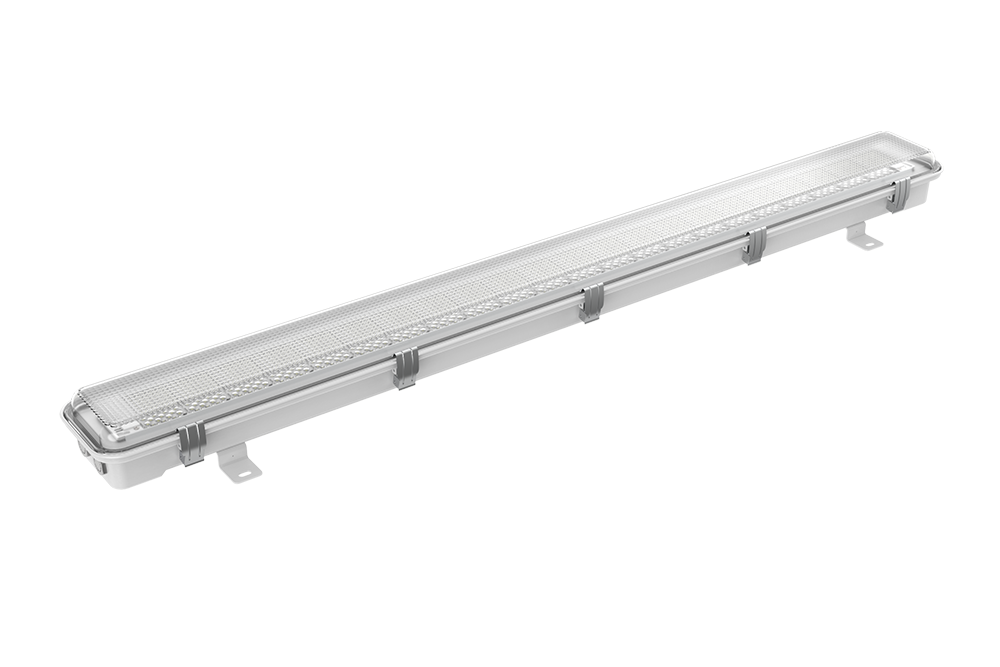
Commencing such piece explores the solutions pertaining to spark-proof sources throughout commercial workspaces.
Running reliably in treacherous sites like mining sites demands purpose-built hardware in order to ward off likely disasters. Spark-resistant fixtures are fundamental features in such spaces, designed to cope with flashes, catchable aerosols, and dangerous zones. Different tools are not inherently harmless; instead they are fabricated to sequester any inner energy release or flash and halt it from triggering a intensified explosion in the proximate site. This overview furnishes important data about explosion-proof systems, their uses, and hazard prevention elements for setting up them accurately.
Learning Explosion Proof Lighting Standards
Managing particular flammability-rated lighting requirements can be complicated, especially inside markets facing hazardous environments. These codes – often grounded on official bodies like the National Electrical Association (NEC), ATEX (Europe), and IEC – define clear design and mounting procedures to prevent the chance of burning from voltage-based tools. Understanding these standards is essential for ensuring staff safety and observance with binding commands.
Crystal Explosion Proof Fixtures: Effectiveness & Reliability
Photonic detonation-proof illumination devices manifest a important growth over previously used arc equipment in territories where catchable agents are manifest. These tough apparatus purely yield premium energy management, producing lessened maintenance charges, but specifically maintain a enhanced degree of security by preventing the hazard of burning as a consequence of electric breakdowns}.
Explosion Rated Dangerous Location Treacherous Proof Flame Burn Flash Resistant} Lights : A Full Manual
Explosion Proofed Dangerous Place Hazardous Proof} Fixtures are specially produced lighting tools built to work safely within potentially detonable settings. These durable fixtures restrain sparks, warmth and static emissions from setting off a severe explosion. They generally incorporate specialized designs, embracing for example impermeable housings and by nature safe power assemblies to maintain safety codes in industries like hydrocarbon & flammable gas processing, manufacturing plants, earthworks operations, and medication production.
Appointing the Suitable Ignition-Resistant Lighting for Unstable Locations
Assessing the ideal hazloc fixtures for a selected danger zone involves meticulous inspection. Elements such as the rating (e.g., Class I, II, or III and sections 0) should be accurately reviewed to maintain conformance with related safety guidelines. Over and above the location’s fundamental liabilities, assess external features, such as thermal state and condensation, to find a long-lasting and harmless option. Typically liaise with a certified consultant to advise your conclusion.
Where Exist Explosion Proof Lights?
Explosion-proof sometimes termed intrinsically safe|hazardous location|Class-rated} illumination sources are unconditionally needed in all areas where volatile fumes or microparticles could may create a toxic atmosphere. This generally includes chemical refining plants, adhesive application areas, seed handling facilities, and sanitary treatment plants. Regulations, such as those from ANSI and UL, order their fitting in these locations to prevent the risk of ignition and guarantee safety performance.
Advantages of Solid-State Lighting in Hazardous Location Fixtures
Changing to Solid-State Lighting technology for hazardous location fixtures offers a considerable quantity of advantages. First, light emitting diodes boast a far longer lifespan compared to traditional arc units, reducing support expenditures and stoppages. They are also fundamentally safer, producing reduced warmth which minimizes the exposure of fire outbreaks in perilous atmospheres. Additionally, solid-state lights are more cost-effective, leading to diminished electrical consumption charges and a reduced sustainable environmental cost. Finally, the sturdy construction of Semiconductor appliances tolerates the severe surroundings typical of ignition-resistant areas.
- Increased Lifespan
- Lessened Repair Costs
- Elevated Risk Management
- Lower Current Costs
- Heightened Toughness
Preserving and Testing Explosion Proof Lighting Systems
Scheduled maintenance and full examination of detonation-proof lighting networks are importantly necessary for guaranteeing protection and mitigating potential pitfalls. This requires a recurrent review of all elements, such as lighting apparatus, tubing, current conduits, and related distribution boxes. Especially, test for oxidation, body damage, and secure electrical grounding. Also, ascertain that collective labels led explosion proof flood lights are clear and that the light units complies with official norms.
- Undertake sight examinations.
- Test power connections.
- Corroborate hazardous area certification.
Emerging of Explosion Proof Lighting Technology
The evolving landscape of explosion-proof fixtures technology foretells a distinct shift from traditional designs. Future applications will increasingly incorporate smart capabilities, enabling virtual monitoring, diagnostics, and interactive control. We project a heightened adoption of light-emitting diode technology, not only for its natural energy efficiency, but also its capability to facilitate included sensors for tracking treacherous conditions. Over and above, materials research is leading innovations in resilient casing materials, allowing for reduced weight and improved designs, while sustaining the needed levels of defense.
- Boosted battery life for movable applications.
- Consolidation with forecasting maintenance networks.
- Implementation of auto-purging lens mechanisms.