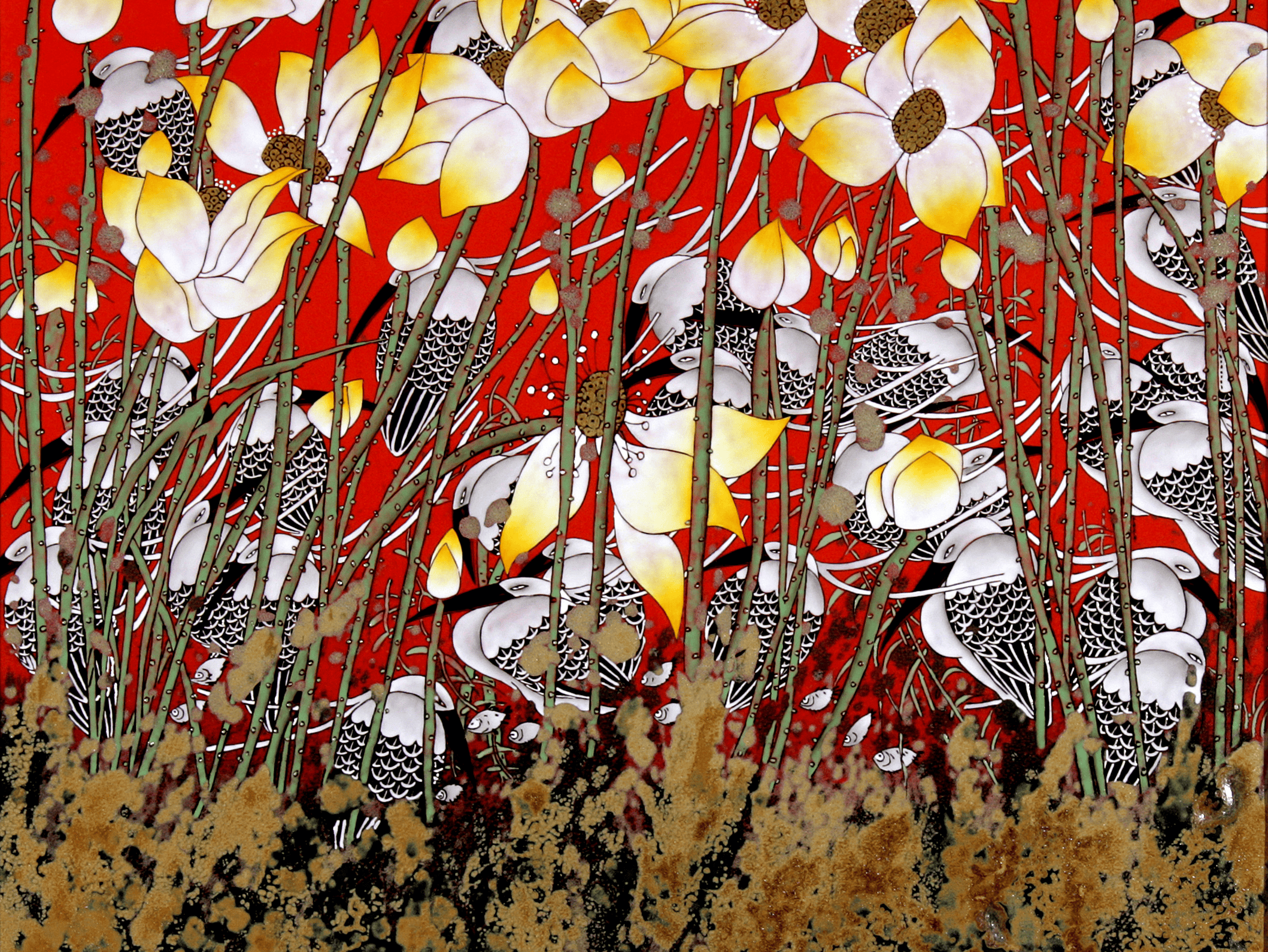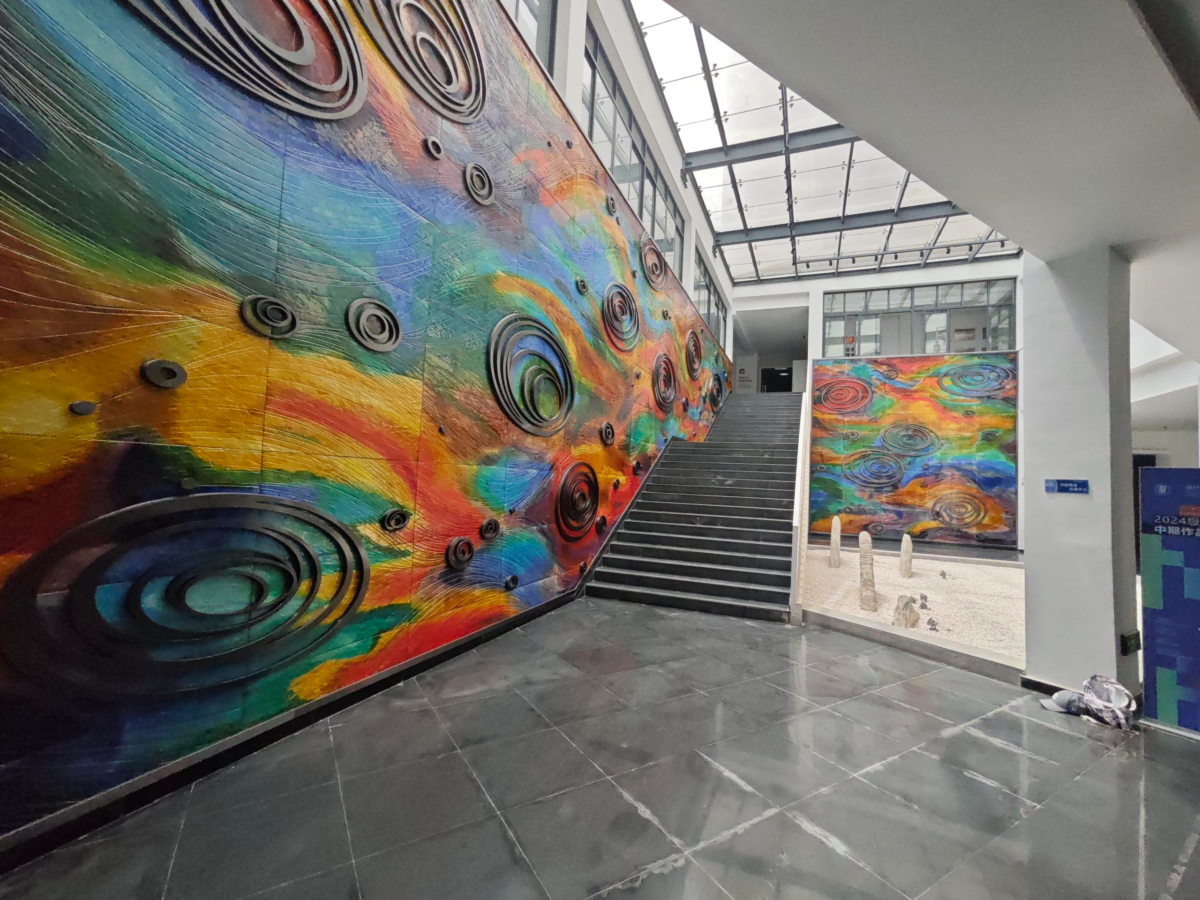
Porcelain sculpture shows a notable field form with a lengthy heritage, extending back multiple of times. From ancient containers to contemporary setups, the resource offers unmatched possibilities for creative performance. Creators apply wide-ranging techniques – including hand-building, wheel shaping, and developed firing processes – to craft humble clay into evocative three-dimensional objects. The sturdiness of fired brick also contributes to its status as a truly lasting part of human history.
Delving into Porcelain Sign Designs and Methods
The field of ceramic marker design offers a extensive array of expressive possibilities. Crafters often explore a blend of classic and contemporary techniques to form visually eye-catching pieces. These can cover from simple, etched reliefs to complex, multi-layered formulations. Typical methods include pattern casting, forming by hand, the glaze process – which can involve diverse modes like primary coloration, post-firing embellishment, and engraved motif where designs are disclosed by abrading a layer of finish. More investigation into top layers such as rapid firing and lustering can produce truly unique and personalized terracotta signs.
- Template Making - Constructing pieces using a pattern
- Sculpting by hand - Manually manipulating the clay
- Varnishing - Painting the top with a vitreous finish
- Sgraffito - Highlighting designs by peeling off overlays
Engaging Experiences: Pottery Art Showcases
The growing landscape of art presents exciting groundbreaking avenues for attendees, and ceramic art installations are at the vanguard of this movement. These aren't just static creations; they are constructed to envelop the spectator in a sensory realm. Imagine passing through a forest of towering, textured ceramic trees, or navigating a cluster of fine ceramic vessels. Many artists are now incorporating acoustics, visuals, and even smell to enhance the effect of their work. Consider the power of a room filled with hundreds of delicately ceramic creations, each telling a anecdote. Commonly, such installations explore themes of ecosystem, recollection, and personhood.
- Such installations blur the boundaries between figure and environment.
- Viewing a ceramic art installation can be a deeply affecting journey.
- Sculptors are challenging the edges of what is conceivable with clay.
Any Grace of the Terracotta Pot: Utility and Form
The stoneware vessel represents a admirable union of utility and decorative appeal. Historically, these vessels served a minimalist assignment in containing substances, but their expansion has transformed them into highly valued works of design. Each work showcases the dexterity of the craftsman, demonstrating how configuration can be as pressing as purpose. The attentive shaping, the one-of-a-kind glazes, and the general presence of a expertly-built holder can elevate a space, offering both charm and a reserved reminder of the human hand.
Current Porcelain Figure : Broadening Limits
Present-day stoneware model represents a fascinating development from classic practices. Makers are vigorously challenging with modern procedures, questioning the boundaries between artwork and distinct aesthetic categories. From immense installations to ornate miniature pieces, these works investigate themes of culture while concurrently revolutionizing the nature of what stoneware can become. The byproduct is a active environment of inspired presentation.
Terracotta Panel: Conserving Chronicle in Terracotta
Terracotta plaques offer a exclusive method for preserving significant events and characters. As opposed to traditional metal or stone markers, these lasting pieces of creation are formed from cooked clay, creating ceramic plaque a concrete link to the former times. Frequently, they feature intricate reliefs or hand-painted imagery, revealing stories that might otherwise be disremembered. That technique, stemming from ancient societies, provides a aesthetically pleasing and lasting way to respect our collective heritage.
- The aforementioned can be installed in communal spaces.
- Scores of are now recognized historical heirlooms.
Earthenware Art Displays: Modifying Settings
Earthenware art installations are growing a meaningful medium for craftsmen to redefine public and private locations. These immersive installations frequently involve massive clay sculptures that attract viewers, altering their understanding of the engineered environment. By adopting diverse methods like modeled construction and detailed firing processes, ceramic artists assemble truly exceptional experiences, blurring the limits between art and location. The consequence is often a stirring metamorphosis that elevates the sensory quality of the place and initiates reflection.
Genesis Turning Device to Awe: The Skill of the Brick Container
The journey of a brick holder from a simple lump of earth to a perfected work of craft is a testament to human brilliance. Historically, the process originates with the potter’s wheel, where the proficient artisan constructs the whirling loam into a cylindrical shape. This preliminary stage demands exactness and a acute eye, followed by a delicate hardening period. Once pre-fired, the vase is ready for adornment, which may require painting intricate motifs, inscribing detailed scenes, or incorporating a array of textures. The last cooking process then evolves the piece into a durable and exquisite holder, a tangible demonstration of the artisan's skill.
Shaping with Brick: A Introduction to Clay Design
Plunging the world of pottery work begins with studying the tenets of molding with earthenware. This particular system calls for precisely adding and removing mass to build three-dimensional artifacts. Regardless of you're a apprentice or a veteran designer, working with different types of earthenware – like porcelain – will enable you reveal your singular method. Conclusively, stoneware modeling is a enriching path that fuses professional competence with innovative manifestation.