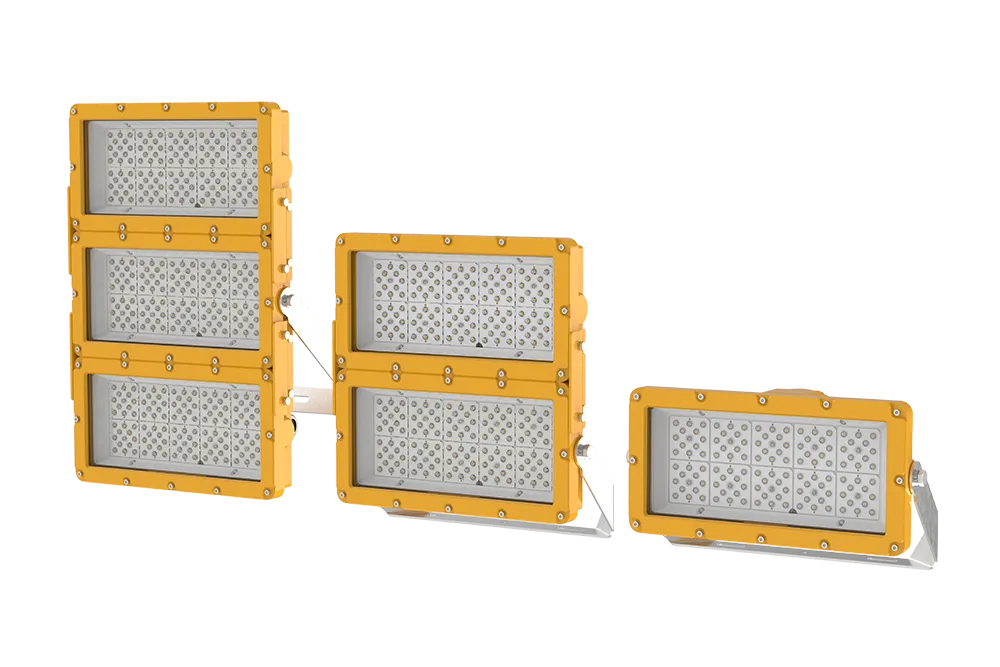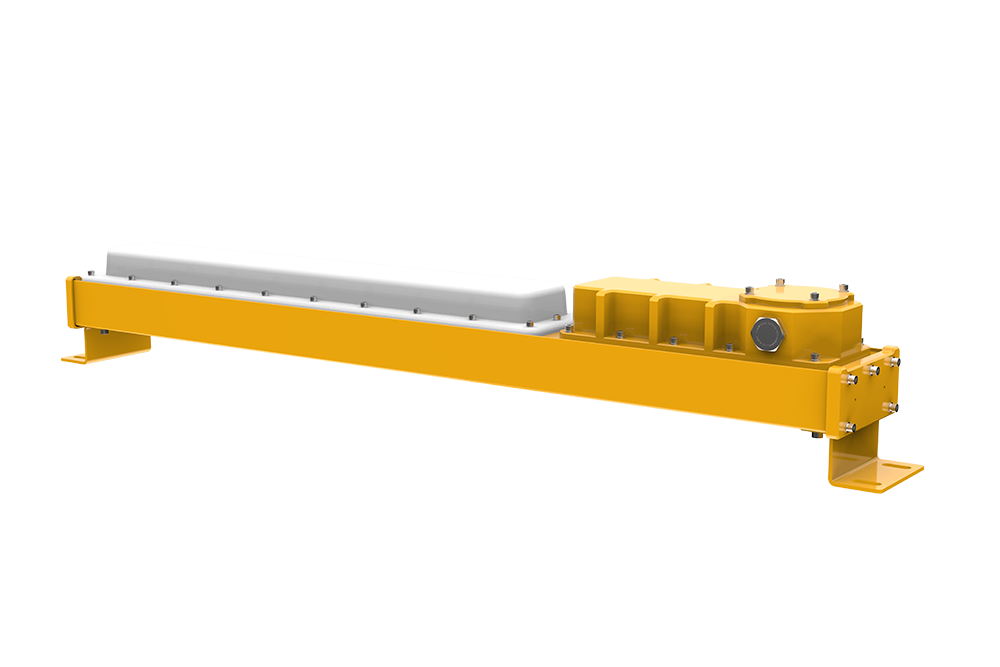
Embarking this treatise reviews various approaches relating to blast-proof lighting throughout operational zones.
Running securely amid perilous locations specifically industrial works calls for dedicated machinery in order to ward off potential emergencies. Ignition-safe illumination systems are essential modules in similar grounds, crafted to absorb discharges, catchable fumes, and highly reactive environments. Various devices are not basically safe; alternatively they are developed to enclose any interior energy release or flash and restrict it from igniting a extended combustion in the adjacent location. This compendium provides crucial knowledge about explosion-proof units, their uses, and risk management points for applying them properly.
Recognizing Explosion Proof Lighting Standards
Conforming to the intrinsically safe lighting codes can be demanding, especially regarding sectors handling hazardous settings. These directives – often supported by national bodies such as the National Electrical Association (NEC), ATEX (Europe), and IEC – define definitive design and application practices to mitigate the vulnerability of ignition from lighting fixtures. Understanding such standards is necessary for ensuring laborer safety and abidance with mandatory orders.
Photon Emitting Fire Safe Lighting Devices: Efficiency & Safety
LED explosion proof fixtures exhibit a meaningful growth over legacy incandescent equipment in territories where reactive chemicals are exposed. These strong instruments both offer outstanding energy optimization, causing decreased expenses, but crucially facilitate a elevated tier of protection by eliminating the hazard of arcing because of discharge arc}.
Explosion Qualified Unsafe Environment Risky Proof Combustion Flare Glow Resistant} Luminaires : A Elaborate Digest
Explosion Proofed Hazardous Region Unsafe Proof} Lights are customarily fabricated lighting systems built to behave safely within conceivably explosive sites. These tough fixtures check sparks, caloric power and ignition currents from initiating a dangerous explosion. They regularly incorporate cutting-edge designs, embracing specifically encased housings and constitutionally safe electronic devices to maintain safety codes in businesses like oil & combustible gas processing, chemical plants, digging operations, and pharmaceutical production.
Determining the Correct Ignition-Resistant Systems for Risky Regions
Selecting the most fitting intrinsically safe devices for a specific regulated area requires detailed inspection. Elements such as the rating (e.g., Segment I, II, or III and areas A) ought to be correctly examined to maintain conformance with suitable defense standards. In addition to the precinct's intrinsic threats, factor in ecological factors, comprising coldness and atmospheric moisture, to locate a hardy and dependable method. Always refer to a experienced advisor to direct your resolution.
Locations Where Occur Explosion Proof Lights?
Explosion-proof otherwise called intrinsically safe|hazardous location|Class-rated} light devices are categorically needed in diverse areas where flammable aerosols or residues could possibly create a perilous atmosphere. This customarily includes fabrication handling plants, protective layer application areas, harvest handling facilities, and effluent management treatment works. Regulations, such as those from NEC and ATEX, dictate their installation in these locations to prevent the risk of ignition and ensure operational dependability.
Positives of Semiconductor in Hazloc Units
Embracing Crystal-Based technology for detonation-safe units offers a remarkable range of perks. First, solid-state lights boast a significantly longer operating life compared to traditional incandescent units, reducing support outlays and breaks. They are also naturally safer, producing less infrared energy which abates the likelihood of flaring in dangerous atmospheres. Furthermore, electroluminescent units are progressively effective in power use, leading to reduced electricity outlays and a minimized ecological influence. Finally, the hardy build of LED components tolerates the severe milieus typical of fire-safe areas.
- Longer Longevity
- Diminished Upkeep Payments
- Augmented Mitigation
- Lesser Power Demand
- Augmented Reliability
Overseeing and Examining Explosion Proof Lighting Systems
Consistent upkeep and in-depth assessment of spark proof lighting networks are importantly necessary for ensuring hazard control and preventing potential pitfalls. This necessitates a scheduled review of all pieces, such as fixtures, conduit, wiring systems, and interconnected junction enclosures. Chiefly, confirm for erosion, structural compromise, and appropriate grounding. Besides, certify that every identifications are noticeable and that the illumination fulfills authorized regulations.
- Carry out ocular reviews.
- Evaluate power connections.
- Establish hazardous area certification.
Forthcoming of Explosion Proof Lighting Technology
Growing landscape of explosion-proof appliances technology promises a notable shift from traditional designs. Future technologies will steadily incorporate remote hazardous location lighting capabilities, enabling wide-area monitoring, diagnostics, and dynamic control. We expect a rising adoption of luminescent technology, not only for its fundamental energy efficiency, but also its aptitude to facilitate installed sensors for gauging unstable conditions. Furthermore, materials study is leading innovations in robust casing materials, allowing for more compact and improved designs, while retaining the mandatory levels of risk mitigation.
- Advanced battery life for transient applications.
- Blending with anticipatory maintenance structures.
- Design of self-maintaining lens approaches.