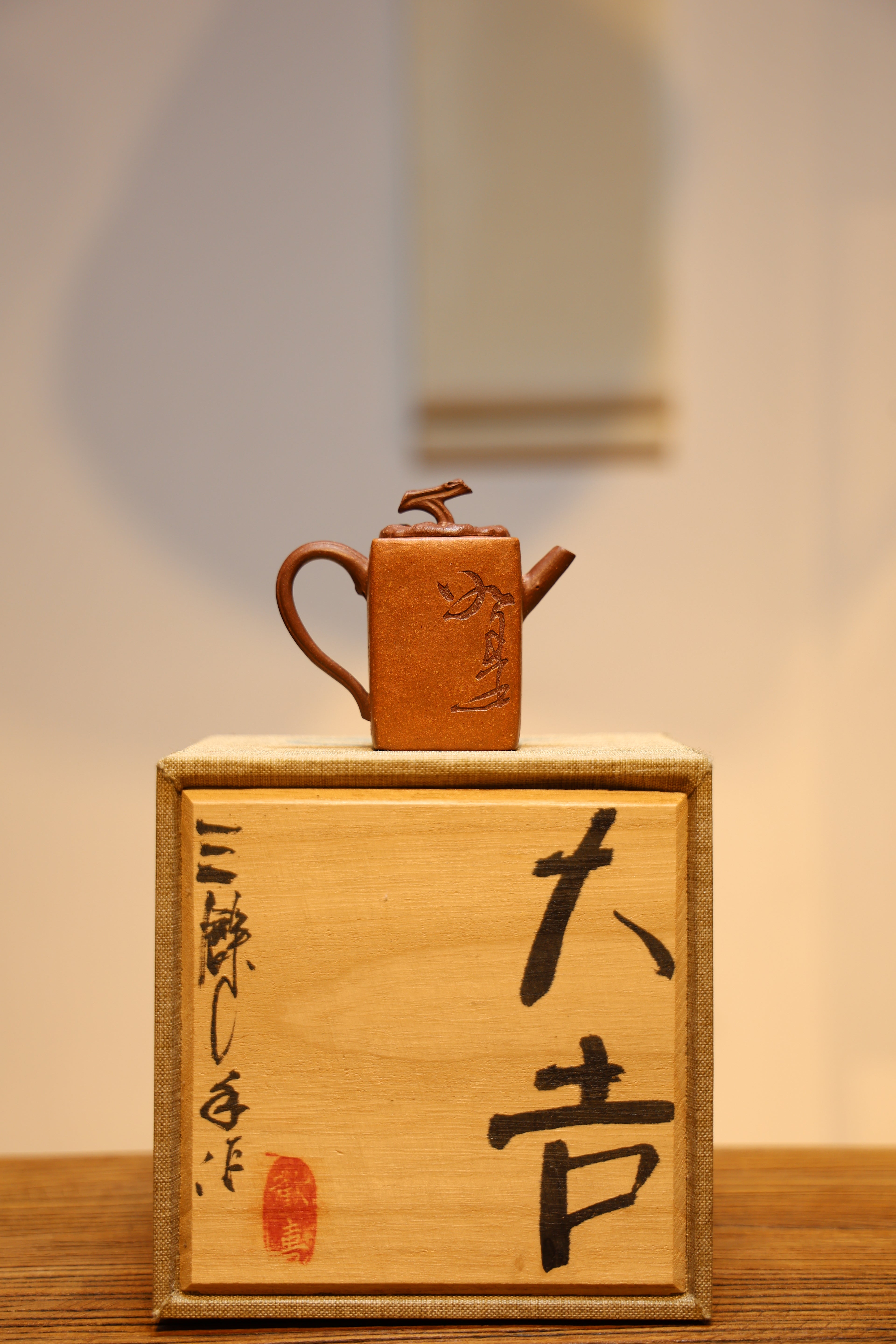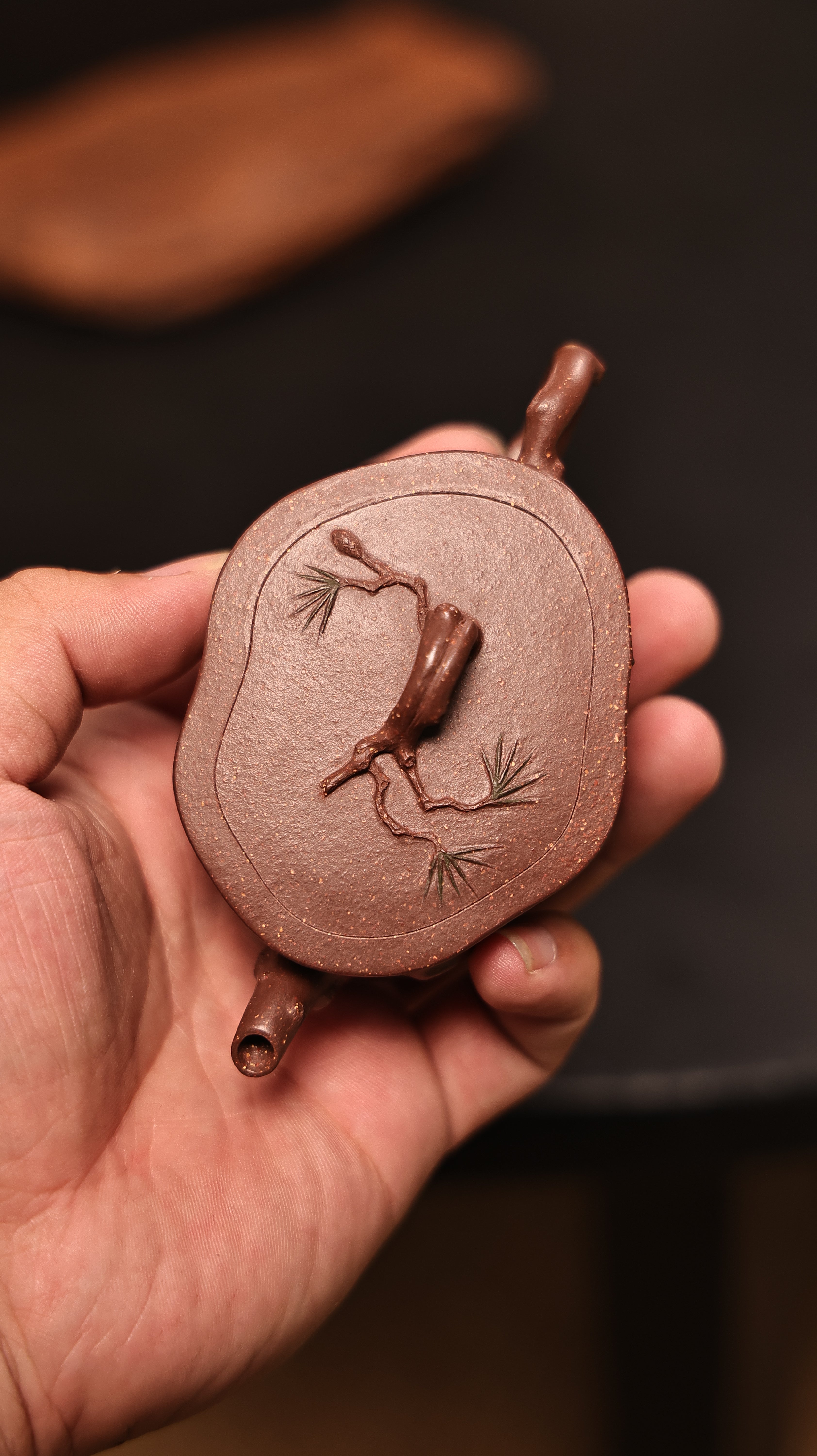
Amidst endless eras of heritage,
Throughout decades, gatherers have been ensnared by the distinctive charm of Yixing Zisha kettles. Originating from the region of Yixing in Jiangsu, these pieces are renowned for their outstanding beauty, exclusive clay, and inherent ability to raise the savor of the concoction. The clay's distinctive reddish-purple hue, combined with the skillful handiwork of environmental fabricators, creates artworks that are at once functional art and valuable possessions. Collecting a Zisha teapot is more than just specific purchase; it's seizing a rich ancestral heritage.
Examining Yixing Teapots: Background, Types, and Cost
Yixing region's teapots serve as a notable record deeply intertwined with Chinese culture. Starting in the Yixing region of Jiangsu province, these clay vessels carry a heritage connecting back to the Ming Dynasty. Preceding examples were functional, but amidst centuries, Yixing teapot fabrication evolved into an esteemed art form. The clay itself, known for its unique grain and ability to boost the flavor of the tea, persists a defining factor. Yixing teapots arrive in various versions, broadly categorized by shape: Standard such as Zhuni (purple clay) and Bisheng, as well as more designs. The merit of a Yixing teapot depends on several factors, including the potter’s fame, the age of the piece, the rarity of the clay, and its aesthetic beauty.- Origins: Prime eras
- Material: Various types
- Appraisal Elements: Uniqueness
Zisha Pot Expertise: Practice and Makers
Such fabrication of a genuine Zisha teapot is a demanding process, requiring lengthy durations of mastery. Skilled artisans meticulously source the best Zisha clay, a exclusive earth found only in specific regions of China. Classic techniques, often passed down through families, involve exacting shaping, delicate carving, and gradual firing in ancient fireplaces. The finished teapot isn't merely a container; it's a testament to aesthetic vision and the significant connection between the craftsman and their tradition. Each object showcases the particular touch of the potter, resulting in a truly exceptional work of pottery.
A Pottery: Discovering the Deep Traditions of Yixing
Esteemed Yixing, found in Jiangsu the district, is universally renowned for its exceptional vessels – a tangible representation of centuries Zisha Teapot of Chinese art. These aren't merely vessels for manufacturing tea; they are intricate works of innovation, often reflecting historical ideals. A unique purple clay, known as Zisha, possesses unique qualities: it is dense, porous, and imparts a subtle quality to the tea.
- Numerous clans have honed the techniques of Yixing urn making, passing down preserved methods through successions.
- Devotees prize these pieces for their aesthetic and exceptionality.
- Some piece tells a narrative, connecting the partaker to a rich heritage.
Acquiring Yixing Zisha: Critical Aspects
While examining procuring Yixing Zisha vessels, numerous points demand careful evaluation. At the outset, the clay’s tone is noteworthy; authentic Zisha conventionally exhibits a pronounced reddish cast. What's more, review the artistry; meticulous traits and a clean veneer indicate skillful artistry. Lastly, investigate the potter's background; esteemed names bring increased values and often provide a more dividend.
How to Brew Premium Tea with Zisha Clay
Creating savory tea with a Zisha container is more greater than a simple custom; it's an skill. Zisha clay, distinguished for its unique geological composition, imparts a subtle character to the composed tea that’s often absent with other devices. The ideal water warmth is key; typically, less intense than what's used for black tea, to maintain the tea's smell and note. Consider thoroughly the tea breed; delicate green teas or aged pu-erhs gain from the Zisha’s ability to soften their original edge. It’s important to prepare the teapot prior to brewing, and to shun over-steeping. Mastering this approach leads to a factually exceptional tea enjoyment.
- Appreciating Zisha Clay
- Thermal Condition of Water & Type of Brew
- Role of Pre-treatment
Maintaining Your Distinctive Ceramic Pot
In order to maintain the persistence of your prized Yixing kettle, habitual protection is vitally crucial. Abstain from using synthetic products; instead, gently clean it with moderately heated aqueous substance. Dodge immediate temperature; don't place the clay pot directly onto a fiery burner. Periodically, mature the kettle by immersing it with premium aged beverage, as this aids to build its nature and maintains the peculiar features of the medium.
About Soil to Cup: The Voyage of a Traditional Vessel
This creation of a Zisha teapot is a astonishing mechanism, a indication to both the planet's bounty and the ability of the maker. It begins with the thorough extraction of the singular clay from the purple Zisha mines by Yixing. This untreated material, known for its outstanding peculiarities, is then deliberately cleaned and configured for the first forming. The urn’s contour is precisely developed using a combination of historical hand-building procedures, often incorporating intricate motifs. Following seasoning, the vessel undergoes a fundamental first firing, succeeded by a varnishing stage, which might involve diverse layers of organic Zisha applications. Finally, a second, and sometimes third, firing at maximum temperatures completes the object, revealing its finished beauty and wonderful characteristics - a real masterpiece, poised to compliment a tea ceremony.
{Yixing Teapots: A Sign of the Legacy and Honoring
This Yixing teapots, originating from the well-known Yixing region of Jiangsu province, are far more than mere wares for brewing liquids; they represent a meaningful aspect of Chinese society. Manufactured from distinctive purple clay – zisha – these unique teapots are highly prized for their ability to enhance the flavor of the tea and, crucially, for their aesthetic appeal. The legacy of Yixing teapot making spans centuries, and the craft involved is inherited through generations, making each teapot a beautiful object that embodies classical techniques and a profound appreciation for the understated pleasures in life.