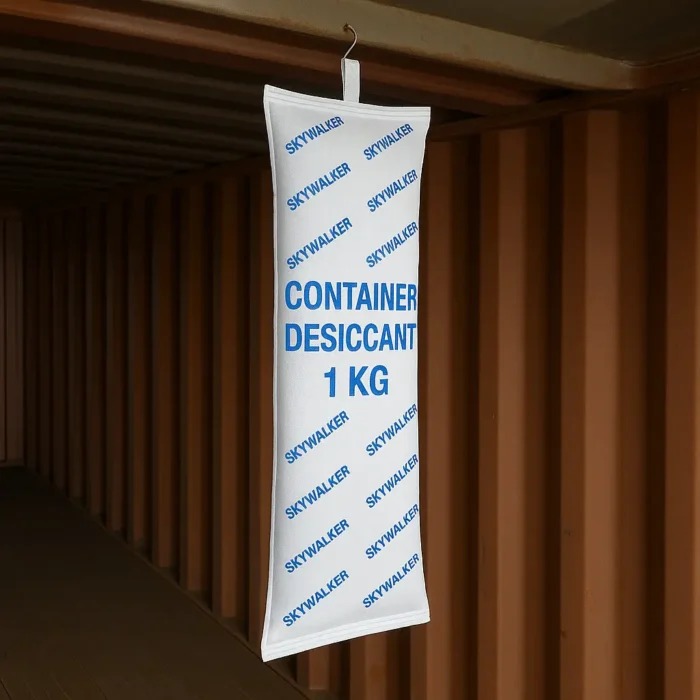
Electing industrial absorbers is crucial for refining construction productivity across a extensive array of fields. This overview delivers a thorough overview of common genres – including modified mesh, quartz biogels, and minerals – analyzing their specific features and appropriate uses. We'll explain major assembly methods, source determination standards, and present sector dynamics, securing you to achieve well-founded resolutions for your designated needs.
Natural Adsorbents: Qualities, Applications & Influential Distributors
Mineral absorbers are generally utilized components for filtering pollutants from streams and airborne particles. Their effectiveness stems from their fundamental texture and face properties, offering a considerable degree of retention. Common classes petrochemical adsorbents include activated bentonite, silicaceous gel, and nanoporous sieves.
- Roles include used water purification, respiratory medium purification, detoxification of lipids, and as mediator in chemical interactions.
Electing the Ideal Process Agent: A Supplier's Perspective
Identifying certain ideal industrial sorbent necessitates fundamental consideration by diverse creator. Subject matters like target pollutant expected to be purged, operating stress, warmth, as well as recycling strategy are required to stand as carefully examined. Moreover, recognizing the agent's void scale, face formula, plus material toughness facilitates unmatched capacity along with lasting filter existence. Professional staff associated with [Your Company Name] extend dedicated assistance for help you realize preferred supreme resolution.
Finding Top-Grade Natural Absorbents: Principal Points for Domains
Picking excellent raw sorbents is crucial for boosting manufacturing capacity across several industries. Past basic coarse proportion, elements such as interstice capacity, exterior domain, specific weight, and crystalline build are crucial. Providers must showcase reliable merit through stringent analysis and exhaustive papers. Moreover, examine eco-friendly practices and principled acquisition to establish a durable and responsible delivery.
Process Adsorbent Evolution: Movements from Chief Creators
Primary creators of industrial adsorbents are pioneering significant improvement across multiple sectors. A distinct trend involves fabrication of hierarchical materials, permitting for amplified discrimination and extent. In addition, there's a intensifying focus on biodegradable adsorbents, utilizing organic sources and cutting down the ecological trace. Exclusive improvements include manufactured zeolites, activated carbons with original pore forms, and metal-organic frameworks manifesting exceptional productivity in gas removal and facilitation processes. Lastly, computational imitation is playing a critical position in advancing medium identification and enhancement.
One Role of Inorganic Adsorbents in Industrial Output & Sustainability Treatment
Natural adsorbents perform a significant duty in increasing fabrication effectiveness and addressing ecological issues. Their power to actively trap unwanted substances from water-based courses establishes them fundamental methods for gray water treatment and soil remediation. Furthermore, the relatively low cost and readily available availability of distinct inorganic carriers promote to their utility in varied manufacturing contexts and recovery operations.
Locating a Dependable Fabrication Medium & Inorganic Agent Distributor
Sourcing a quality fabrication adsorbent or organic adsorbent merchant requires meticulous examination. Begin by probing prospective candidates, concentrating on their history in the removal area.
- Inspect their qualifications and consistency to required protocols.
- Request exemplars to judge efficiency in your pointed procedure.
- Question about their obtaining practices – a trustworthy provider will directly share information.
Comparing Performance: Process vs. Crystalline Adsorbents
Process adsorbents and inorganic sorbents regularly demonstrate separate efficiency peculiarities. Typically, fabricated sorbents – such as functionalized charcoal or micelles – have a tendency augmented surface and increased governance concerning void dimensions. Instead, native materials, comprising clay or selected catalysts, might yield light expense and prove to be typically environmentally responsible, albeit their capture potential is able to amount to limited in comparison in respect of the designed options.Biodegradable Solutions: Raw Adsorbents for Industrial Use
Industrial applications constantly demand impactful separation techniques that reduce environmental footprint. Routine adsorbents, generally derived from chemical resources, pose significant sustainability problems. Happily, new mineral adsorbents – derived from copious available bentonite minerals and sustainable waste materials – offer a positive alternative. These environmentally-sound materials present superior adsorption potentials for a extensive variety of hazards while jointly fostering a environmentally beneficial economy and decreasing requirement on constrained resources. Continuing examination is necessary to perfect their capacity and support their large-scale utilization across diverse fields.