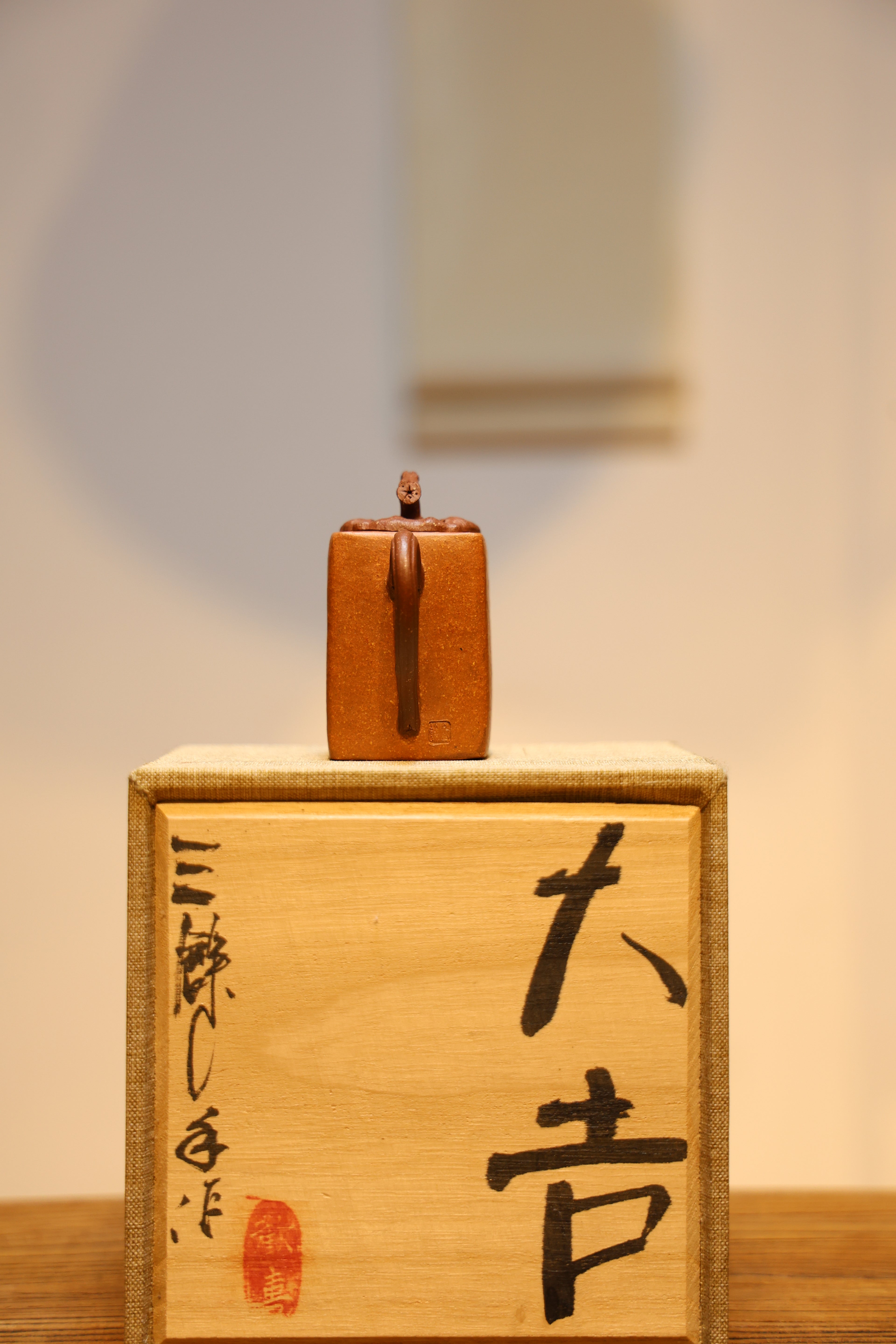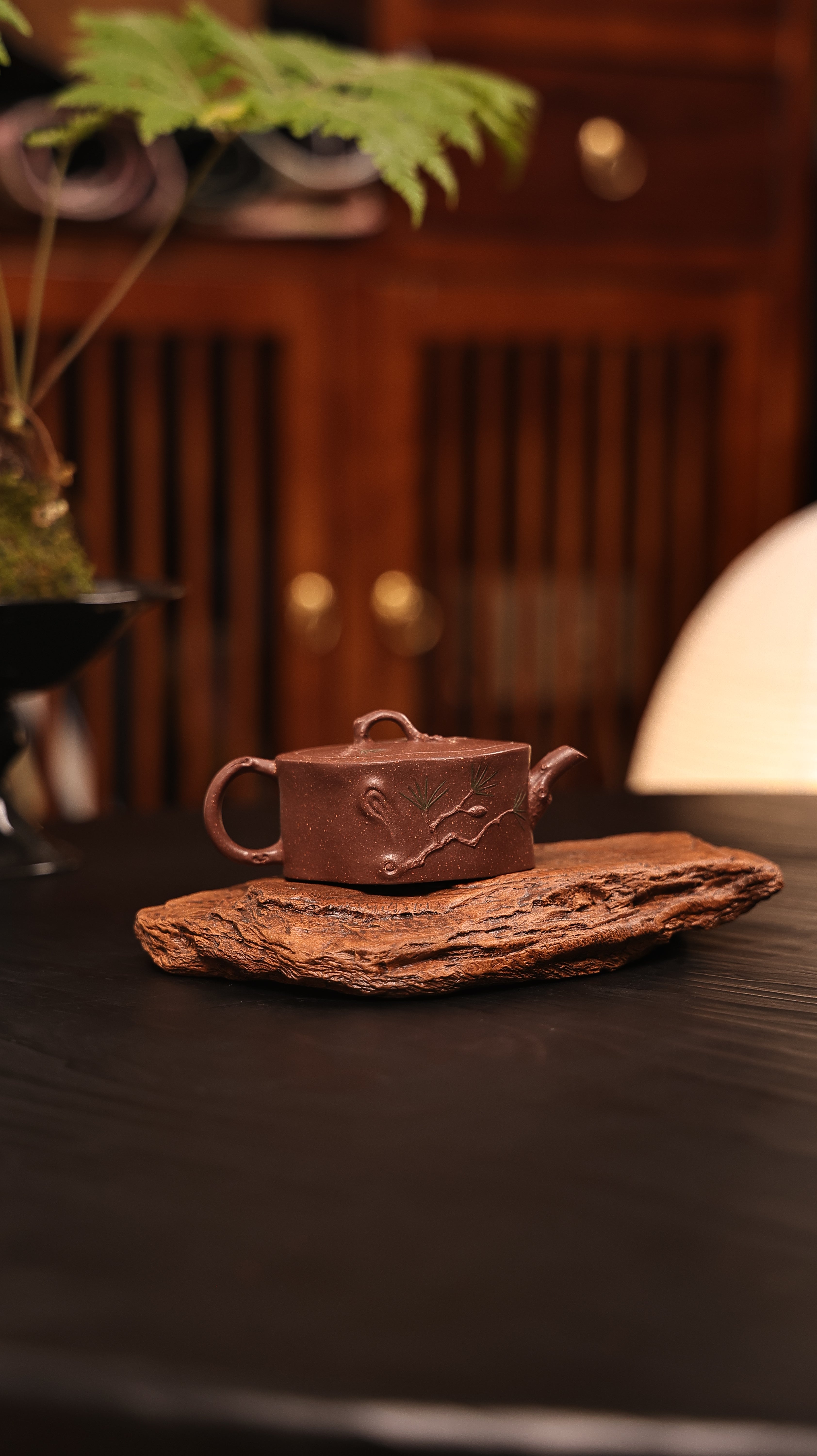
Eras of aficionados have sought the exclusive allure of Yixing Zisha kettles. Hailing in the quaint town of Yixing, the state, these containers are produced from a uncommon and mined purple clay distinguished for its premium thermal characteristics and aptitude to elevate the aroma of tea. Other than their utilitarian benefit, Zisha teapots embody a profound legacy foundation, transforming them immensely treasured and a veritable find for any committed teapot enthusiast.
Surveying Yixing Containers
Authentic teapots embody a memorable mixture of history and craftsman craftsmanship. Founded in Yixing, Jiangsu Zone of China, their narrative goes back the Ming Dynasty, although manifestations suggest earlier expressions. The singular wine-colored clay, called Zisha, found uniquely in the Yixing region, is the vital component, contributing to the pots' remarkable heat stability and the manner they control the profile of tea. Generations of potters have improved techniques—often inherited through families—including sculpting the clay, applying ornate embellishments, and firing the pots at deliberate temperatures.- Originally, Yixing teapots were often ornamented with simple designs.
- Afterwards, more complex carvings and expressive motifs became accepted.
- The firing process itself is a pivotal element, requiring years of practice.
Obtaining Zisha Teapots: Fundamental Points
Undertaking a journey to secure Zisha jars can be satisfying, but it’s fundamental to know what to seek. Authenticity is principal; focus on the material’s natural pigment, a gentle reddish-brown is conventional. Examine the texture; genuine Zisha has a characteristic tactile sensation, often depicted as slightly rough. The morphology should be pleasing and consistent with time-honored styles, while seals, if present, require careful examination for legitimacy. Don’t avoid to consult with savvy experts or recognized experiences – their awareness is priceless.
Traditional Containers: Surveying the Tradition of the Yixing Purple Earth
Generations have seen Yixing Violet Clay teapots Yixing Teapot keep a special role in Chinese tradition. These finely fashioned pots, sourced exclusively from the locale of Yixing, are prominent for their distinctive color, consistency, and their ability to boost the essence of extracts. Various collectors strive for antique Yixing teapots, admiring them significantly not only for their aesthetic elegance, but also for the legacy they portray.
Yixing Zisha Teapots: An Top Varieties and Their Features
Purple Clay teapots, coming from the local region of Yixing, the People’s Republic, are celebrated for their distinctive clay and unparalleled brewing characteristics. Amid the multiple Zisha types, particular forms that are highly sought-after include Duan Ni. Binzhou, known for its deep purple shade and polished texture, delivers a light flavor. Duan Ni species, recognizable by its auburn color and a little grainy feel, is said to enhance tea’s heft. Lastly, Zhuni sort boasts an extraordinary vermilion tone and can provide a nice nuance. Each category yields a special experience, rendering them considerably desirable between infusion enthusiasts.
Brewing Perfection Your Ceramic Pitcher
To unleash the wonder of your Yixing container, grasping the correct method is indispensable. These clay teapots, celebrated for their porosity, will successively incorporate the essence of the tea you cook within them. Begin by flushing the teapot thoroughly with tepid water. Then, use only top-grade raw leaf tea, as lower quality options can degrade the clay’s delicate qualities. Always let the leaves to extend completely, and remember that with each steeping, your Yixing teapot will become gradually unique.
Conserving Your Cherished Zisha Relic
Proper handling for your Zisha jar is necessary to conserving its appearance and appreciation. Zisha clay, hailed for its unique nuance and consistency, requires considerate handling. Never use strong formulas, as these can affect the veneer. After every session, rinse the container with warm water and allow it to evaporate completely.
- Resist soaking the vessel for extended phases.
- Periodically use a soft cleanser cloth to wipe the exterior.
- Contemplate applying a thin layer of food-grade ointment inside the kettle after drying, which can lessen staining.
Getting Started with Yixing Containers
Yixing pitchers, originating from the Yixing area in Jiangsu Province, the Chinese territory, are celebrated for their distinctive peculiarities. Produced from the unique purple material known as Zisha, these pitchers are prized by tea enthusiasts worldwide. This overview will succinctly explain the pillars – covering varieties of Zisha soil, well-liked shapes, and fundamental care tips. Understanding the background of Yixing containers can boost your appreciation for this acclaimed example of Chinese heritage.
Mastery of Han Kettles: Presenting Zisha from the Yixing region
Zisha earth from the Yixing district represents the culmination of Eastern jar design, boasting a rare combination of raw beauty and valuable artistry. These celebrated pieces are honored for their rich color palettes, often spanning dark purples and brown hues to gentle greys and pale beiges. The particular mineral composition of the area’s Zisha ground imparts a signature texture and generates a satisfying aroma that improves the complete brew experience, rendering them highly sought-after collectibles and essential components of any serious tradition.