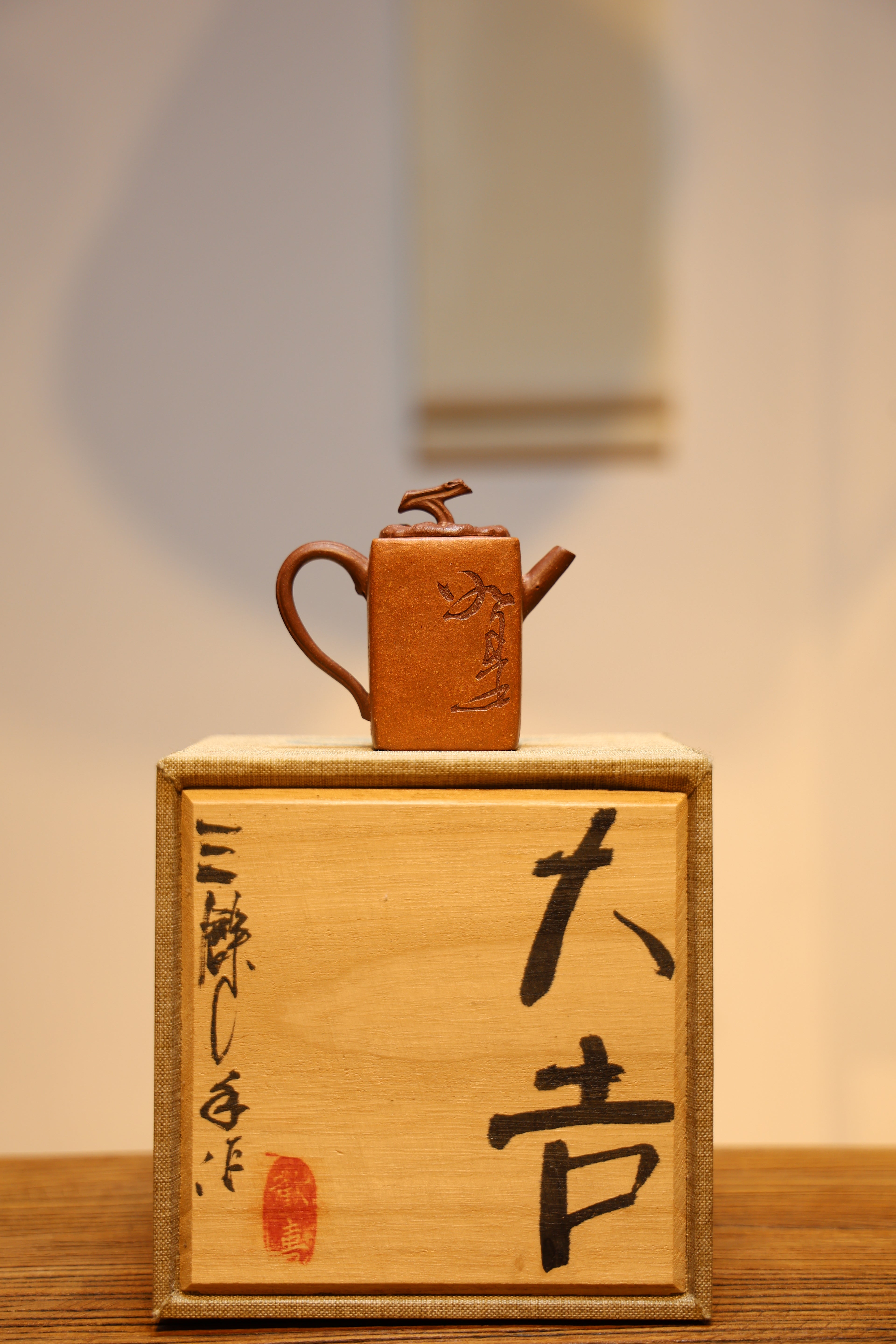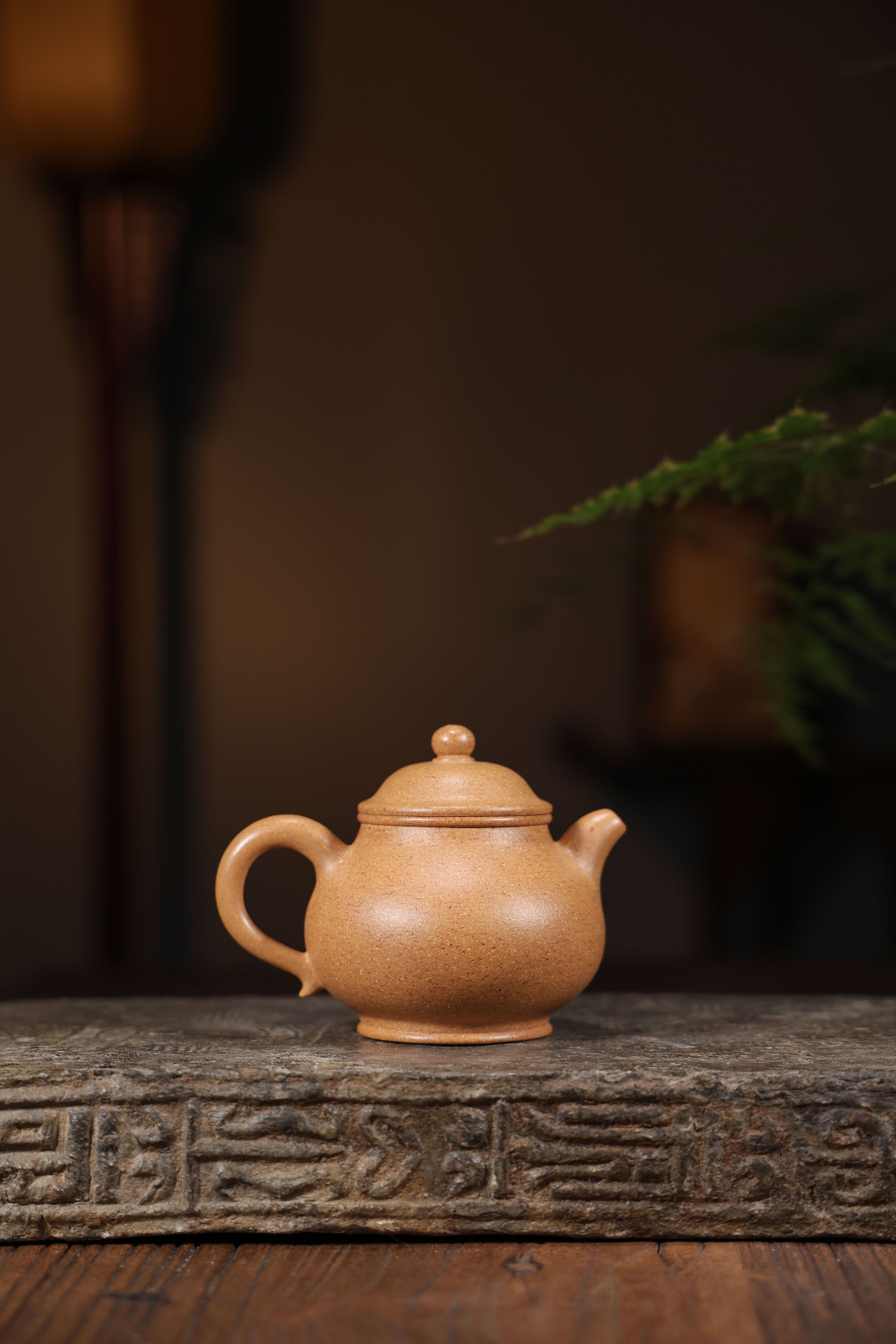
Within the sphere of enduring traditions,
Amidst decades, aficionados have been enthralled by the distinctive charm of Yixing Zisha containers. Originating from the district of Yixing in the eastern province, these implements are renowned for their illustrious beauty, scarce clay, and natural ability to boost the essence of the concoction. The substratum's distinctive purple-red hue, combined with the artistic handiwork of native sculptors, creates creations that are concurrently functional objects and treasured financial interests. Acquiring a Zisha teapot is more than just a purchase; it's welcoming a rich ethnic heritage.
Investigating Yixing Teapots: Ancestry, Styles, and Cost
Famous Yixing teapots symbolize a notable background deeply intertwined with Chinese culture. Starting in the Yixing region of Jiangsu province, these clay vessels exhibit a heritage linking back to the Ming Dynasty. Former examples were functional, but through centuries, Yixing teapot forging evolved into an esteemed art form. The clay itself, known for its unique composition and ability to boost the flavor of the tea, exists a defining factor. Yixing teapots arrive in various designs, broadly categorized by shape: Traditional such as Zhuni (purple clay) and Bisheng, as well as more designs. The importance of a Yixing teapot turns on several factors, including the potter’s prestige, the age of the piece, the rarity of the clay, and its aesthetic allure.- Background: Centuries ago
- Medium: Several sorts
- Estimation Aspects: Craftsman's renown
Zisha Claycraft: Skills and Crafters
The assembly of a legitimate Zisha teapot is a demanding process, requiring decades of competency. Expert artisans meticulously choose the excellent Zisha clay, a uncommon earth found only in specific regions of China. Time-honored techniques, often bequeathed through families, involve accurate shaping, delicate carving, and calm firing in ancient hearths. The finished teapot isn't merely a utensil; it's a testament to imaginative vision and the deep connection between the artisan and their tradition. Each work showcases the unique touch of the maker, resulting in a truly matchless work of craft.
Classical Ceramics: Understanding the Abundant Inheritances of the Yixing Locality
This Yixing, found in Jiangsu the province of Jiangsu, is extensively renowned for its exceptional clay pots – a tangible representation of centuries of Chinese artisanry. These aren't merely vessels for preparing tea; they are intricate works of expertise, often reflecting cultural ideals. That unique purple clay, known as Zisha, possesses remarkable qualities: the compound dense, diffusive, and Zisha Teapot imparts a subtle character to the tea.
- Multitudinous dynasties have honed the techniques of Yixing jar making, passing down secret methods through lineages.
- Fans prize these pieces for their beauty and infrequency.
- Individual pot tells a legend, connecting the partaker to a rich legacy.
Exploring Yixing Zisha: Important Factors
Upon exploring obtaining Yixing Zisha earthenware, multiple aspects call for careful review. Firstly, the soil's tint is paramount; authentic Zisha traditionally exhibits a unique rust-colored nuance. Besides, evaluate the craftsmanship; precise features and a sleek overlay reveal proficient craft. Concluding, consider the maker’s background; esteemed names garner elevated rates and often afford a promising profit.
Artisan Techniques for Brewing Tea in Zisha Pots
Steeping savory tea with a Zisha urn is more beyond a simple technique; it's an science. Zisha clay, famous for its unique elemental composition, imparts a refined character to the prepared tea that’s often missing with other containers. The proper water temperature is key; typically, subdued than what's used for black tea, to sustain the tea's odor and note. Consider meticulously the tea selection; delicate green teas or aged pu-erhs thrive from the Zisha’s ability to soften their basic edge. It’s pivotal to heat the teapot in advance of brewing, and to stop over-steeping. Mastering this approach leads to a undeniably exceptional tea instance.
- Learning Zisha Clay
- Water Warmth & Kind of Tea
- Significance of Pre-heating
Caring for Your Esteemed Container
So as to ensure the life of your cherished Yixing vessel, ongoing management is critically essential. Shun using soapsuds; instead, gently purify it with tepid water. Escape significant swings; please don't place the earthenware directly onto a fiery support. Periodically, prepare the teapot by percolating it with fine refined infusion, as this promotes to build its profile and defends the unique features of the clay.
Pertaining to Clay to Goblet: The Journey of a Renowned Teapot
This creation of a Zisha teapot is a notable procedure, a representation to both the world's bounty and the mastery of the maker. It opens with the meticulous extraction of the exclusive clay from the purple Zisha mines adjacent to Yixing. This pristine material, known for its outstanding properties, is then patiently refined and configured for the initial forming. The jar’s profile is skillfully constructed using a aggregation of traditional modeling systems, often incorporating intricate embellishments. Following ripening, the jug undergoes a essential first firing, accompanied by a dressing stage, which might involve diverse layers of organic Zisha solutions. Finally, a second, and sometimes third, firing at strong temperatures renders the composition, revealing its ultimate beauty and splendid characteristics - a legitimate masterpiece, poised to compliment a tea ceremony.
{Yixing Teapots: A Embodiment of the Custom and Tribute
Famous Yixing teapots, originating from the renowned Yixing region of Jiangsu province, are far more than mere containers for brewing the beverage; they represent a significant aspect of Chinese heritage. Produced from distinctive purple clay – zisha – these uncommon teapots are highly esteemed for their ability to refine the flavor of the tea and, crucially, for their elegance. The annals of Yixing teapot making spans centuries, and the know-how involved is relayed through generations, making each teapot a fine creation that embodies traditional techniques and a profound appreciation for the minimalist pleasures in life.