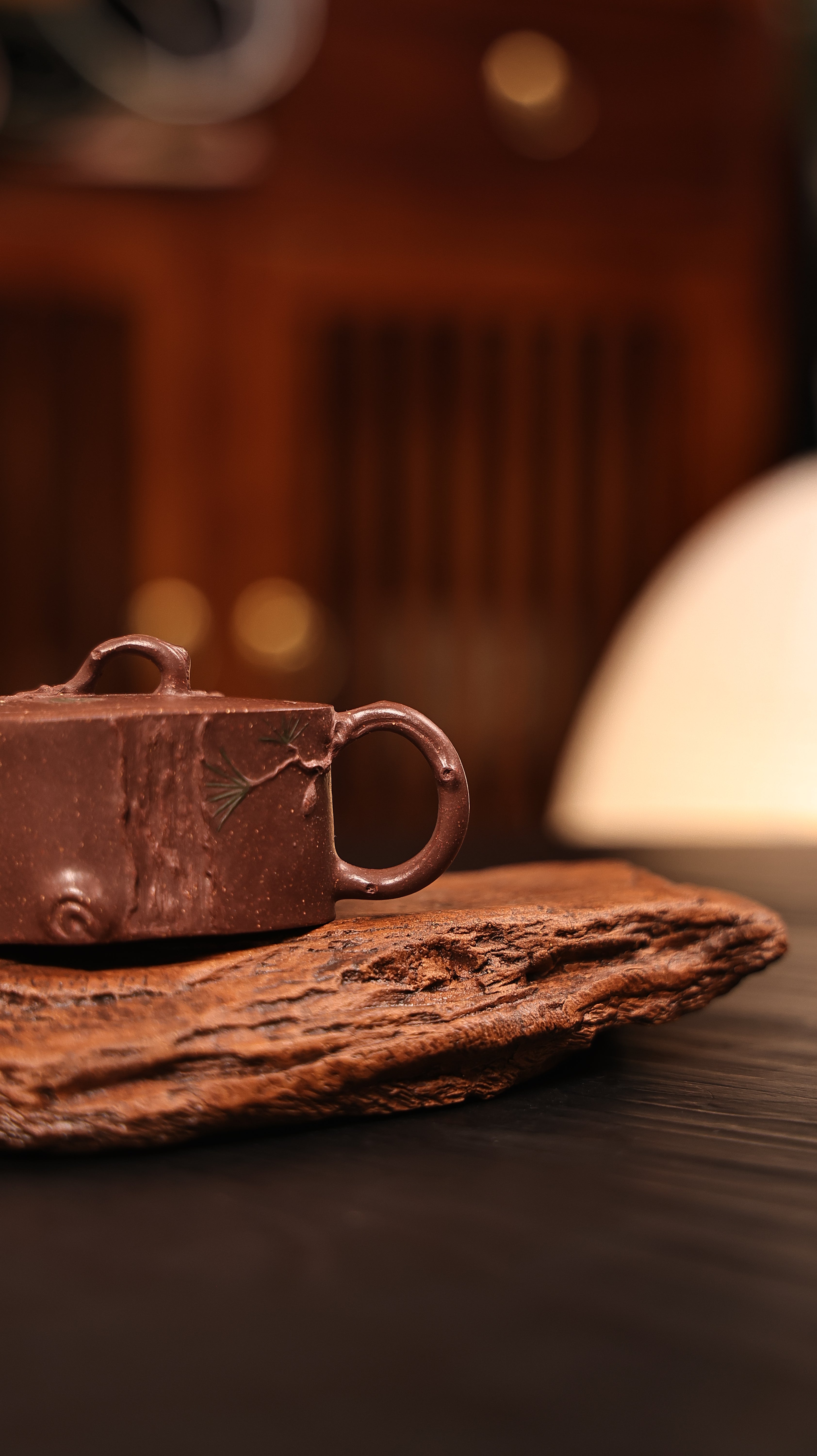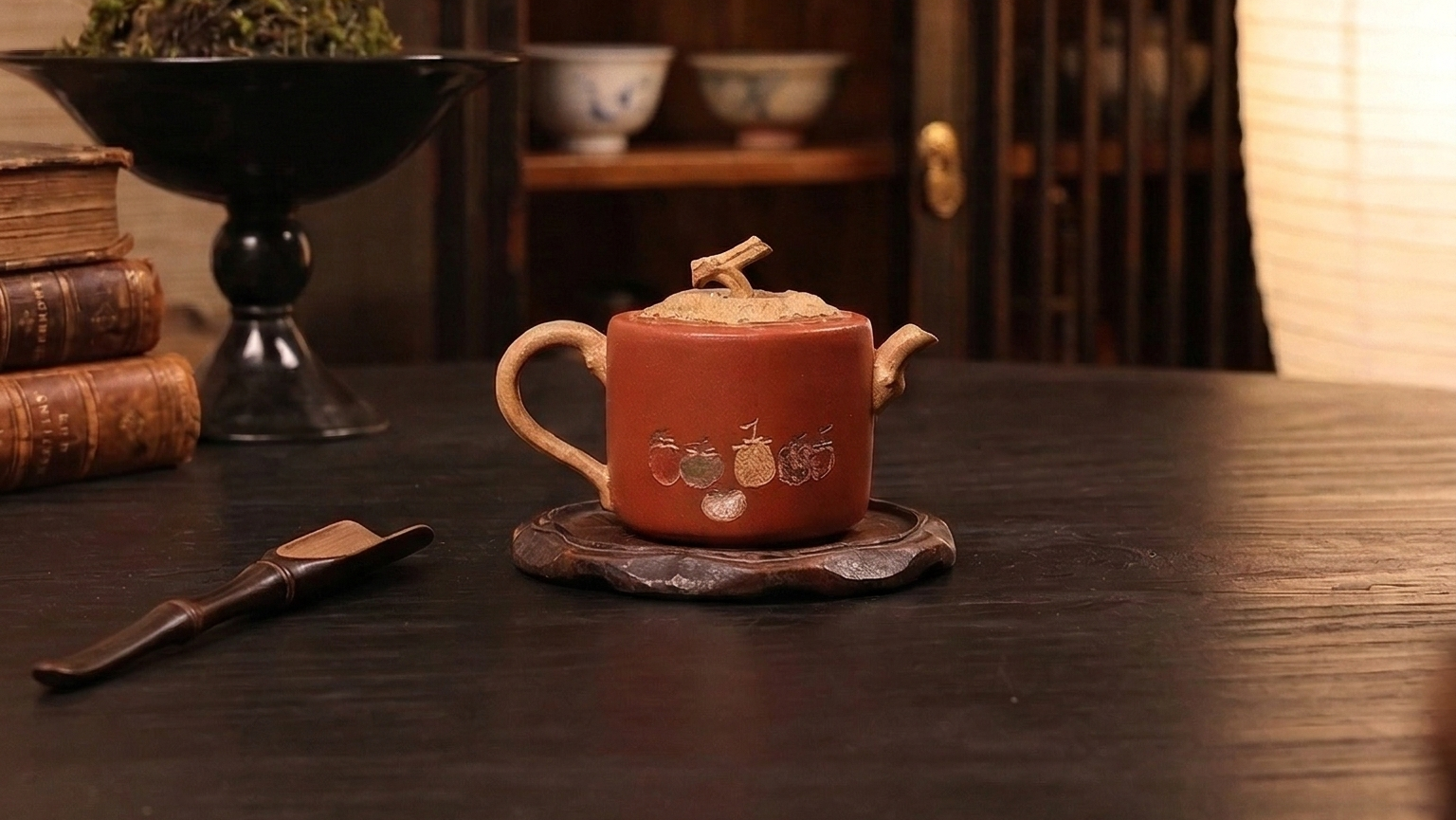
Times in experts have long valued the uncommon magnetism of Yixing Zisha pitchers. Founded in the scenic town of Yixing, the state, these containers are produced from a rare and collected purple clay acknowledged for its notable thermal features and capacity to enhance the note of liquids. Aside from their practical appeal, Zisha teapots exemplify a deep cultural roots, transforming them immensely prized and a undisputed jewel for any dedicated teapot devotee.
Examining Yixing Clay Pots
Famous teapots demonstrate a noteworthy synthesis of history and masterful craftsmanship. Coming in Yixing, Jiangsu Locale of China, their narrative stretches the Ming Dynasty, although evidence suggest earlier instances. The special wine-colored clay, called Zisha, found uniquely in the Yixing region, is the vital component, contributing to the pots' unmatched heat maintenance and the manner they enhance the aroma of tea. Continuums of potters have enhanced techniques—often bequeathed through families—including coiling the clay, applying sophisticated embellishments, and firing the pots at controlled temperatures.- Historically, Yixing teapots were often enhanced with simple designs.
- Later, more advanced carvings and figurative motifs became favored.
- The baking itself is a vital element, requiring extensive periods of competence.
Obtaining Zisha Teapots: Fundamental Points
Undertaking a search to assemble Zisha earthenware can be enjoyable, but it’s imperative to grasp what to seek. Authenticity is principal; focus on the material’s natural tinge, a delicate reddish-brown is characteristic. Examine the consistency; genuine Zisha has a distinctive tactile sensation, often explained as slightly rugged. The profile should be balanced and consistent with antique styles, while seals, if present, require thorough examination for validity. Don’t resist to consult with qualified collectors or established contacts – their guidance is essential.
The Clay Pots: Investigating the Practice of famous Ceramics
Centuries have seen Yixing Purple Clay teapots retain a distinguished role in Chinese legacy. These artfully designed pots, sourced uniquely from the district of Yixing, are well-known for their peculiar pigmentation, nature, and their ability to heighten the profile of tea. Many collectors seek antique Yixing teapots, prizing them greatly not only for their aesthetic Chinese Teapot appeal, but also for the past they symbolize.
Yixing Zisha Teapots: An Finest Varieties and Their Characteristics
Yixing Zisha teapots, originating from the traditional province of Yixing, the land, are acclaimed for their exclusive clay and remarkable brewing powers. Amongst the many Zisha types, certain selections that are highly coveted include Tianqing. Binzhou, known for its profound purple shade and fine texture, delivers a mild flavor. Duan Ni Zisha, recognizable by its chestnut color and moderately grainy feel, is regarded to enhance tea’s body. Lastly, Zhuni form boasts an unique ruby tone and can lend a nice nuance. Each sort delivers a different experience, facilitating them notably desirable with beverage enthusiasts.
Perfecting Individual Zisha Teapot
To reveal the essence of your Yixing teapot, familiarizing oneself with the correct system is key. These clay pitchers, celebrated for their penetrability, will slowly embrace the heart of the tea you brew within them. Begin by cleansing the kettle thoroughly with scalding water. Then, use only superior loose leaf tea, as lower quality options can weaken the vessel’s delicate qualities. Always let the leaves to extend completely, and remember that with each infusion, your Yixing teapot will become steadily refined.
Sustaining Your Precious Zisha Collectible
Proper maintenance for your Zisha pitcher is critical to securing its character and merit. Zisha clay, known for its unique shade and texture, requires attentive handling. Never use intense chemicals, as these can wreck the finish. After every employing, rinse the teapot with mild water and allow it to cool off completely.
- Do not soaking the pitcher for extended periods.
- Intermittently use a soft wiping cloth to polish the exterior.
- Deliberate applying a thin layer of food-grade mineral oil inside the pot after drying, which can avoid staining.
Fundamentals of Yixing Earthenware
Yixing earthenware, originating from the Yixing region in Jiangsu Province, within China, are celebrated for their distinctive properties. Fabricated from the unique purple earth known as Zisha, these kettles are prized by potion enthusiasts worldwide. This summary will simply explain the core elements – covering sorts of Zisha composite, popular shapes, and vital care recommendations. Understanding the foundation of Yixing pitchers can enhance your appreciation for this traditional example of Oriental craftsmanship.
Technique of Eastern Pots: Focusing on Zisha sourced from the Yixing district
Zisha material from Yixing locality represents the peak of Asian teapot design, boasting a special mixture of authentic beauty and operational artistry. These notable pieces are noted for their profound tones, often stretching over bold purples and mahogany hues to pale greys and faint beiges. The unique mineral composition of the exclusive Zisha terrain imparts a identifying texture and offers a enjoyable aroma that boosts the entire infusion experience, causing them very desired collectibles and essential components of any serious tradition.