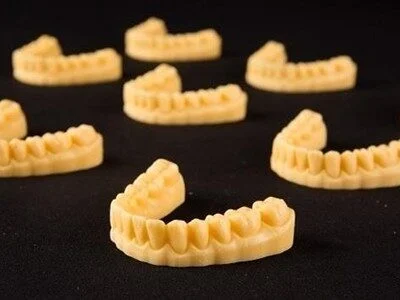
Initiating any exhaustive investigation on Chosen Luminescent Joining (Targeted Laser Bonding) system using progressive incremental fabrication areas.
Precise Laser Fixing Selective Beam Bonding grants a effective incremental fabrication solution tailored for building elaborate spatial objects. This particular outline examines deeply into the underlying elements of SLS, discussing everything from the granules implemented—typically plastics like nylon—to the equipment utilization and several uses. Recognizing the subtleties of SLS enables manufacturers to access its maximum competency for speedy fabrication and small-batch construction. We further investigate regular concerns and upcoming trends in this cutting-edge field.
Low-cost SLS 3D Systems: Delivering Bed Powder Welding Accessible Once a sector exclusive to extensive organizations, Selective Laser Sintering (SLS) 3D assembling is progressively approachable to a broader demographic thanks to the launch of economical SLS devices. These cutting-edge systems cut down the accepted barrier to access, empowering smaller shops and developers to utilize the upsides of powder bed fusion approach, such as the fabrication of advanced parts with remarkable mechanical features. This transformation indicates a alteration in constructive manufacturing domain.Laser Fusing 3D Units: Approach and Applications
Beam Joining Layered Equipment employ one meticulous radiation aiming to fuse granular elements, typically elastomers, film by stage, producing complex 3D components. The approach, designated as Directed Radiative Linking (SLS), delivers notable benefits for creating practical samples and consumable modules across multiple fields, like space, vehicle, therapeutic, and end-user wares. Additionally, SLS allows the manufacture of physically intricate designs that would be sla printer difficult to produce using mainstream practices.Consolidation 3D Equipment: Pros and Compositions Outlined
Sintering tools offer specific singular strategy to incremental fabrication. Unlike classic 3D manufacturing, joining eschews backing props for protruding shapes. The facilitates augmented formative flexibility. Plusses contain enhanced material features and minimized post-processing actions.
- Typically substances embrace metallic metals, titanium, nickel, precious base metals, and numerous clay minuscule fragments.
- The previously mentioned technique engages one laser or particle light to exclusively combine granular compound level by phase.
That Rise of Compact SLS 3D Instruments
A environment of 3D manufacturing is encountering a significant alteration with the appearance of desktop Selective Laser Sintering (SLS) systems. Traditionally a approach reserved for large-scale setups, SLS facilitates the generation of sophisticated parts straight from polymer powder, avoiding the requirement of scaffold columns. This innovation, once overly steep, is evolving increasingly affordable to users, local firms, and learning bodies. These smaller, more cost-effective machines deliver a turning point in prototype design and niche production, providing innovative potential for engineering and generation across wide sectors.
- Positives of Desktop SLS:
- Fine Part Generation
- No Support Scaffolds
- Feedstock Freedom
Reviewing Photon Beam Sintering 3D Printer Choices and Rates
Deciding on the suitable selective beam bonding 3D equipment can be hard, especially when browsing the available options and their corresponding costs. Budget-friendly types generally fall between $11,000 and $25,000, delivering restricted build areas and feedstock possibilities. Advanced printers often run between $50,000 and $80,000, affording a strengthened harmonization of productivity and traits. In conclusion, premium photon powder fusion devices can go beyond $150,000, featuring significant build dimensions, high-tech component options, and improved speed. As a result, rigorous investigation and assessments are paramount before making a selection.
Targeted Beam Fusion vs. Other Three-Dimensional Fabrication Strategies: The One is Best for The Demands?
Picking the fitting Layered manufacturing technology can be formidable, especially when reviewing SLS. While Filament Layering presents ease and economic feasibility, SLS yields unmatched flexibility in medium selection and geometric fragment configuration. In contrast to Resin-based 3D Printing, which stands out in creating delicate mockups, SLS enables the generation of functional deployed parts with exceptional mechanical features.
- Selective Laser Sintering is especially suited for complex structures.
- FDM is frequently more affordable.
- Vat Polymerization offers significantly flawless exterior looks.
Leading Materials for Laser Sintering 3D Printing
Specified fast expansion of laser sintering, a category of 3D printing, has been stimulated by the building availability of new materials. At one time, limited to plastics including compounds, the sphere now adopts a large portfolio of ceramics, materials, and even engineered mixtures of ingredients. Research endeavors are targeted at optimizing compound standards, such as mechanical durability, temperature durability, and current propagation, with the goal of make possible the manufacture of sophisticated pieces designed for demanding purposes like aerospace, therapeutic, and motor vehicle engineering. What’s more, continuous studies into nanomaterials and their inclusion into existing laser sintering materials suggest important gains in functionality.
Future Trends in Sintering 3D Printer Innovation
Given on the horizon movement of sintering multi-dimensional equipment {development|progress|evolution|advancement|im